
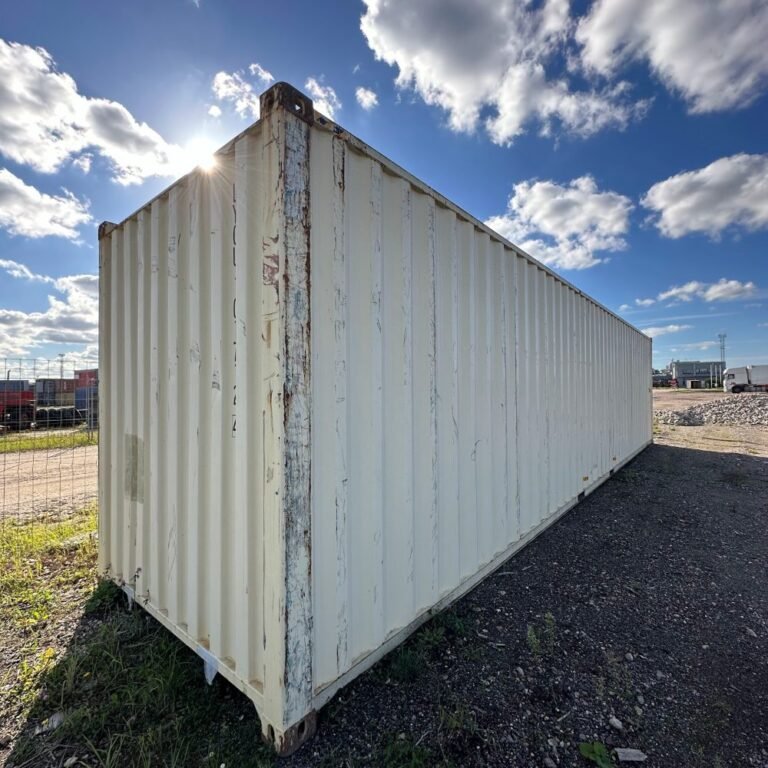
Buy or rent a shipping container: which pays off
When it pays to rent a shipping container and when to buy: a simple calculation with your own numbers, what rentals often leave out and what you lose by only renting.
When a container can be placed without paperwork, when you need to go to the building authority, and how to avoid unauthorised construction.
A 20ft container (~14.8 m²) usually needs no paperwork if placed outside a city, or in a city on land where a private house is permitted. A 40ft container (~29.7 m²), or a container being converted into living space, usually requires submitting documents to the building authority. Either way, check your municipality’s building regulations.
This article is for information only and is based on the Cabinet Regulations in force in October 2026. It is not legal advice — the final answer for a specific plot comes from your municipal building authority.
A container brought in and placed for permanent use — for example as a shed, storage or workshop — is, in legal terms, a building, even without foundations. In a 2020 consultation on the LV portāls website, the Ministry of Economics explained that a container used as an outbuilding is a structure, and construction regulations apply to placing it. Whether paperwork is needed depends on how the container is used and how big it is.
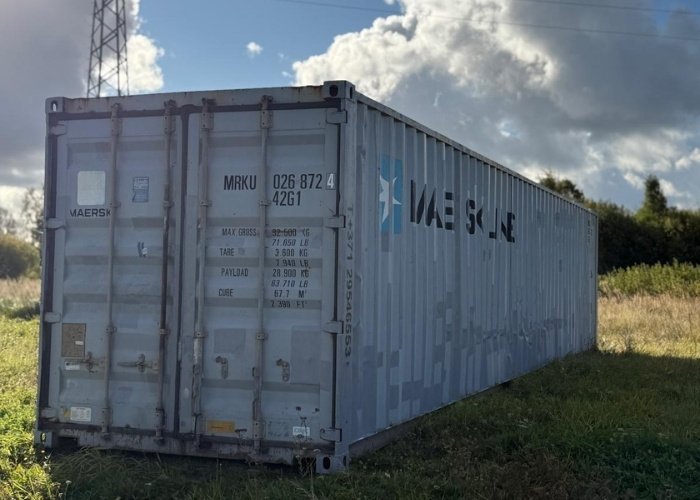
The General Construction Regulations (Cabinet Regulation No. 500, paragraph 2.20) define a small building as a single-storey building with a built-up area of no more than 25 m². A 20ft container measures 6.06 × 2.44 m, or ~14.8 m², so it falls within this limit.
Under paragraph 7 of the Building Construction Regulations (Cabinet Regulation No. 529), no construction intention documents are required to place a small building:
This means a 20ft container for storage next to a private house or on a farmstead can usually just be delivered and set down. Building rules still apply, though — for example, the distance to the neighbour’s boundary and the building line.
More on dimensions: shipping container sizes.

A 40ft container measures 12.19 × 2.44 m, or ~29.7 m² — more than 25 m², so it no longer counts as a small building. Such a container (or several 20ft containers placed together) is usually considered a Group 1 building, and before placing it you submit construction intention documents to the building authority — for Group 1 buildings this is an explanatory memorandum (paragraph 7.2.1 of the Building Construction Regulations).
The Ministry of Economics notes that a container-type building outside towns and villages can be a Group 1 building of up to 60 m², provided its location and appearance are agreed with the building authority and the municipal building regulations allow it. Larger buildings need a full building design.

If you plan to live or work in the container or connect it to utilities, it must meet the essential requirements of Section 9 of the Construction Law — fire safety, hygiene, energy efficiency and safe use. In such cases, always start by consulting the building authority, before you even buy the container.
A ready-made, insulated solution is office modules — factory-built, with insulation and wiring.
Paragraph 2.21 of the General Construction Regulations defines a temporary structure as a structure needed to carry out construction work that must be removed before the project is commissioned. A container used as storage or an office on a building site is exactly this case — its location is shown in the construction documents (for example, the work organisation plan), and it is taken away once the work is done.
See containers in stock in Riga here: 20ft containers and 40ft containers.
Usually not. A 20ft container has a built-up area of ~14.8 m², so it meets the definition of a small building (single-storey, up to 25 m²). Outside cities, and in cities on land where a one- or two-flat house is permitted, a small building needs no construction intention documents. Local building regulations may still impose restrictions, though.
Yes, as a rule. A 40ft container covers ~29.7 m² — more than 25 m² — so it is no longer a small building. For a permanently placed container-type building, you submit construction intention documents to the building authority (for Group 1, an explanatory memorandum).
On a building site, a container can be used as a temporary structure — one needed for the construction work and removed before the project is commissioned. Its location is shown in the construction documents.
A building inspector may treat it as unauthorised construction, which carries administrative liability, and may require you to legalise or remove it.
In your municipality’s land use and building regulations (TIAN) and with the building authority. Some municipalities restrict where containers can go or require their appearance to be approved.
Containers in stock in Riga
20ft and 40ft shipping containers with real photos and prices. We’ll help you choose the size and location.
Every listing is a specific container in our yard, with its own photos and price.
Practical tips on choosing, placing and using shipping containers.
When it pays to rent a shipping container and when to buy: a simple calculation with your own numbers, what rentals often leave out and what you lose by only renting.
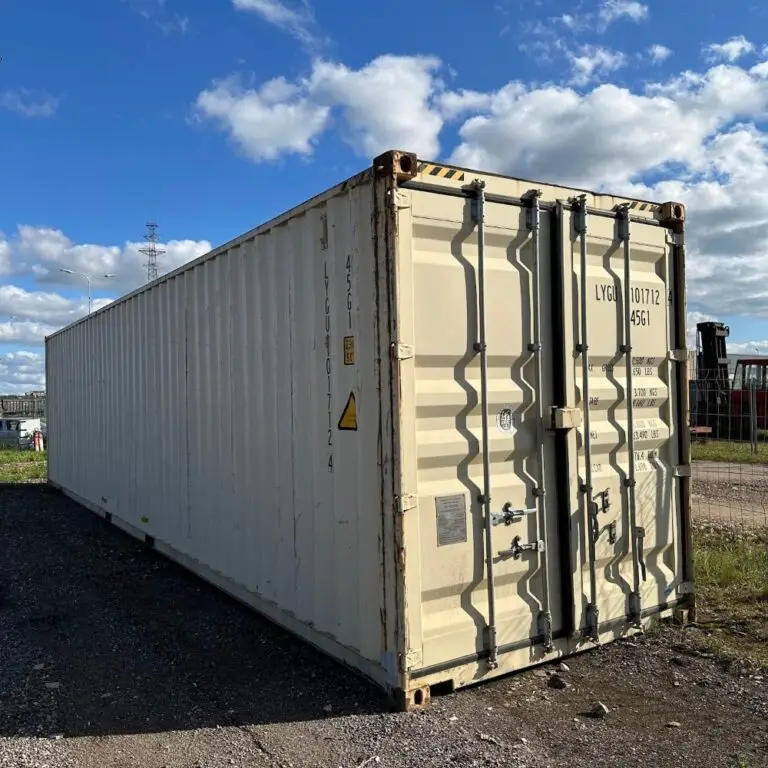
What one-way, IICL, CW, WWT and As-is mean for shipping containers: condition, what each grade is good for and what to check before you buy.
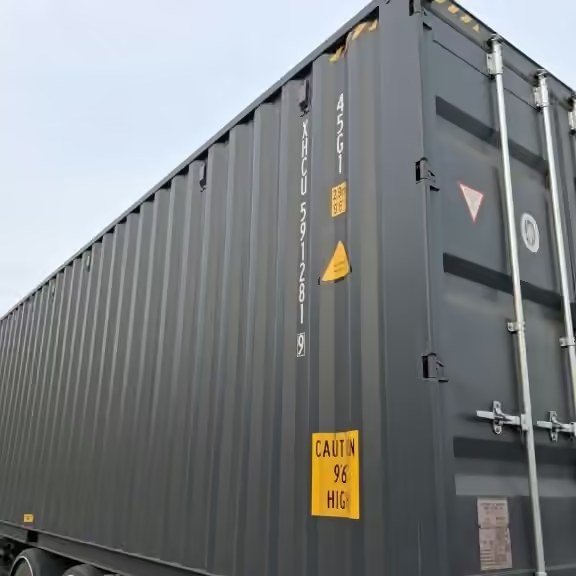
Fake container sellers online: 8 warning signs, what to check before paying and how to buy a shipping container safely in Latvia.
Call 26764096 — we’ll help you choose the size and location.
We use cookies to give you the best experience. Your consent helps the site work properly and lets us analyse how it is used.
Kontiks.lv
We usually reply within minutes
Hello, I am interested in your containers.
Message us on WhatsApp
Raksti mums WhatsApp