
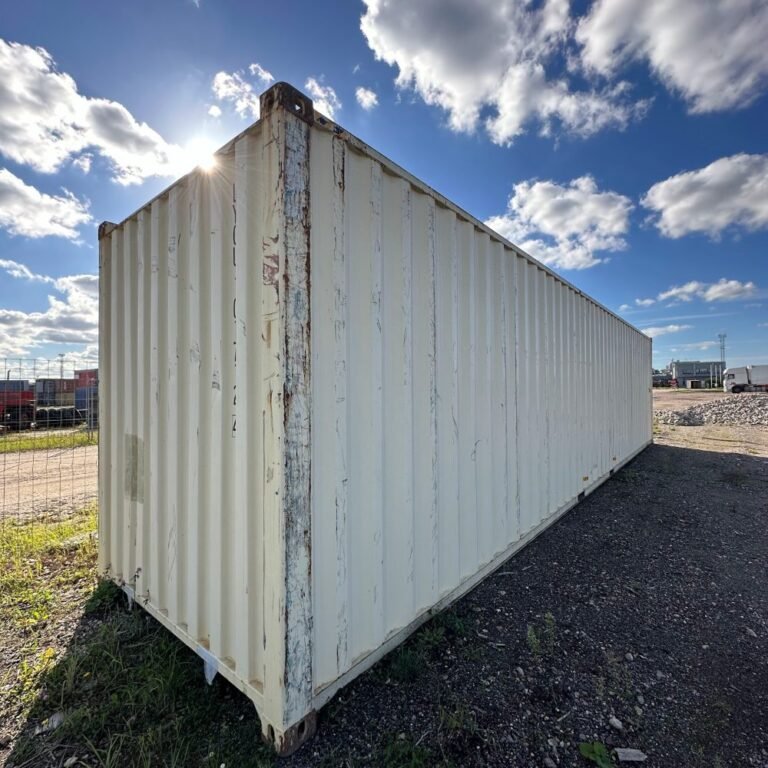
Buy or rent a shipping container: which pays off
When it pays to rent a shipping container and when to buy: a simple calculation with your own numbers, what rentals often leave out and what you lose by only renting.
When a container needs insulation, which material to choose and how to avoid condensation behind the insulation.
In short
For belongings, tools and machinery, insulation is usually not needed — ventilation and raising the container off the ground are enough. Insulate if the container will be a workshop, an office, storage for sensitive goods or a space where people spend time.
Steel heats up and cools down quickly, so an uninsulated container is hot in summer, cold in winter and gets condensation on the ceiling. Proper insulation solves all three. More on condensation in the article shipping container condensation.
How well it suits a container
The key rule: warm, humid room air must not reach the cold steel. If it does, condensation forms behind the insulation where you cannot see it, and the container starts rusting from the inside.
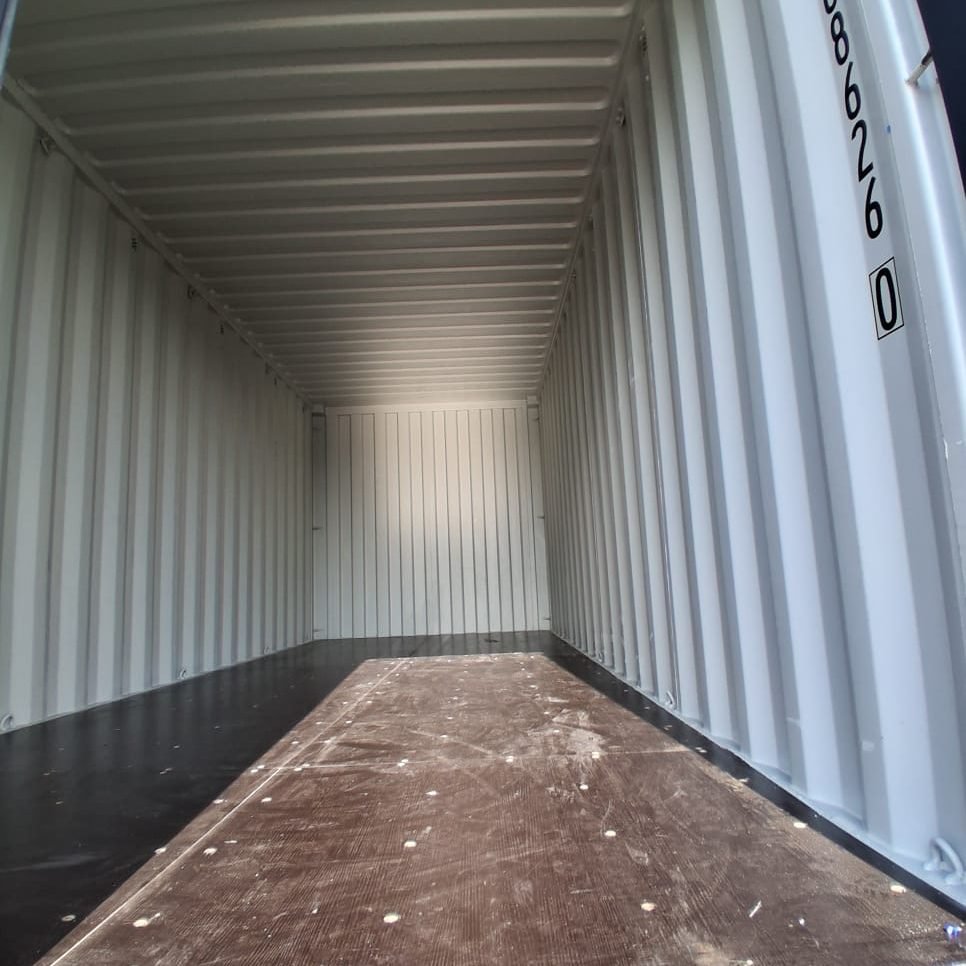
A standard container is ~2.35 m wide and ~2.39 m high inside. Framed insulation takes space from both walls and the ceiling, so in a standard container the ceiling gets low. A High Cube container is ~2.70 m high inside — after insulating, the ceiling is still at a comfortable height. Spray foam takes less space than a frame with wool. Exact dimensions are in the shipping container size table.
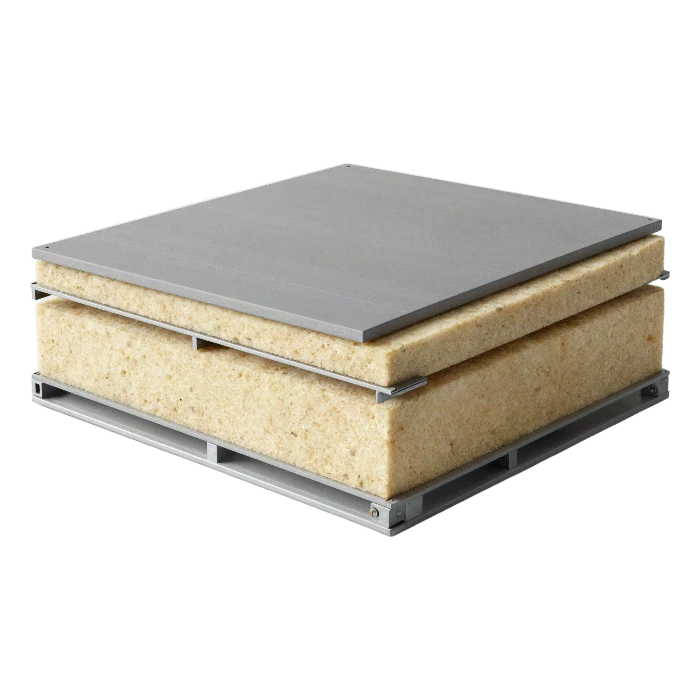
If you need a warm room for an office or security staff straight away, a conversion can cost more time and money than a ready module. Our office containers have walls and a roof of 50 mm sandwich panels and a floor insulated with 100 mm of stone wool — you can use them right after delivery.
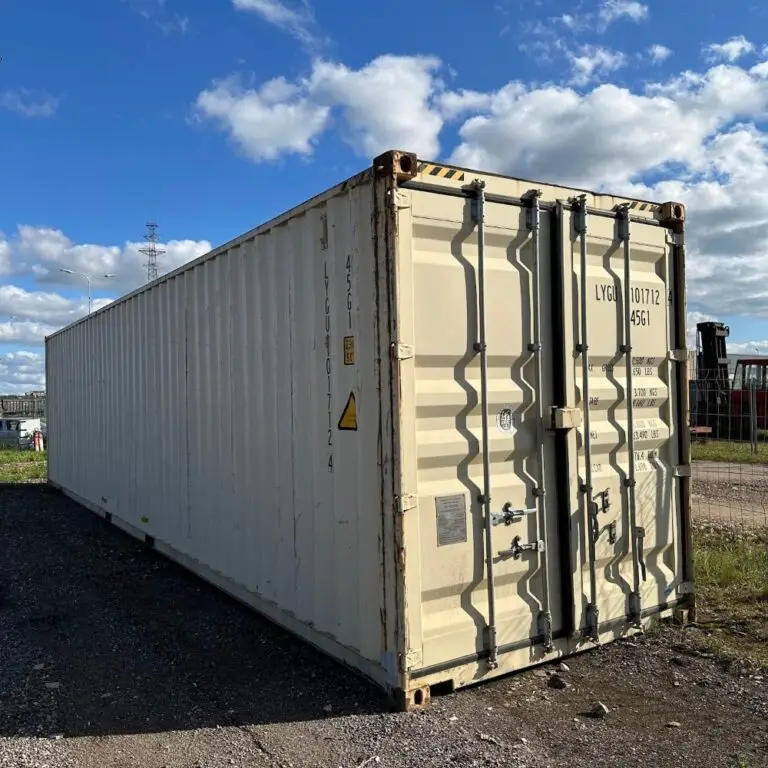
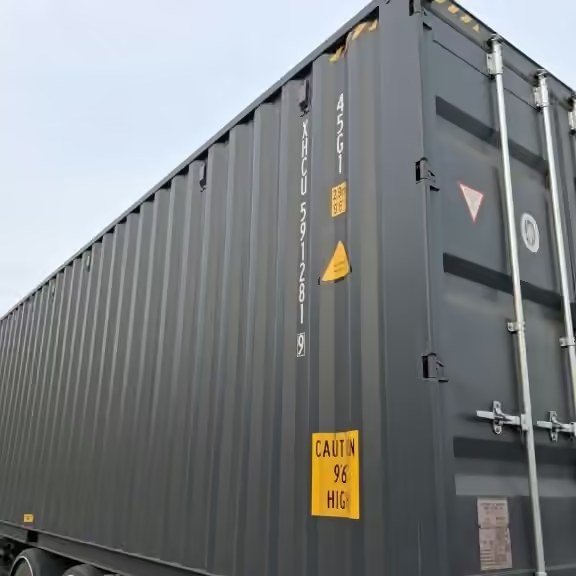
A new one-way High Cube container is the best base for a conversion — dry, straight walls without rust and a ceiling 30 cm higher. A used container also works if it is dry and has no rust-through; how to check is in the article how to choose a used shipping container.
Yes. Containers are insulated from the inside with PUR spray foam, PIR boards or mineral wool in a frame. The key is to stop warm, humid air from reaching the cold steel.
PUR spray foam — it sticks to the steel, fills gaps and takes little space. A cheaper option is mineral wool in a frame with a vapour barrier.
If people will spend time inside, yes. For storage the floor is usually left as it is.
Yes. Without air exchange, moisture from people, work or stored items stays inside and condenses.
Yes, if it is dry and has no rust-through. Check the roof, floor and door seals first — see the checklist.
Containers for conversion
New one-way and High Cube containers in stock in Riga. You can view all of them before buying.
Every listing is a specific container in our yard, with its own photos and price.
Practical tips on choosing, placing and using shipping containers.
When it pays to rent a shipping container and when to buy: a simple calculation with your own numbers, what rentals often leave out and what you lose by only renting.
What one-way, IICL, CW, WWT and As-is mean for shipping containers: condition, what each grade is good for and what to check before you buy.
Fake container sellers online: 8 warning signs, what to check before paying and how to buy a shipping container safely in Latvia.
Fill in the form or call 26764096 — we will help you choose the right container.
We use cookies to give you the best experience. Your consent helps the site work properly and lets us analyse how it is used.
Kontiks.lv
We usually reply within minutes
Hello, I am interested in your containers.
Message us on WhatsApp
Raksti mums WhatsApp