
Buy or rent a shipping container: which pays off
When it pays to rent a shipping container and when to buy: a simple calculation with your own numbers, what rentals often leave out and what you lose by only renting.
Why it “rains” from the ceiling inside a container, how to tell condensation from a leak and how to protect stored items from moisture.
In short
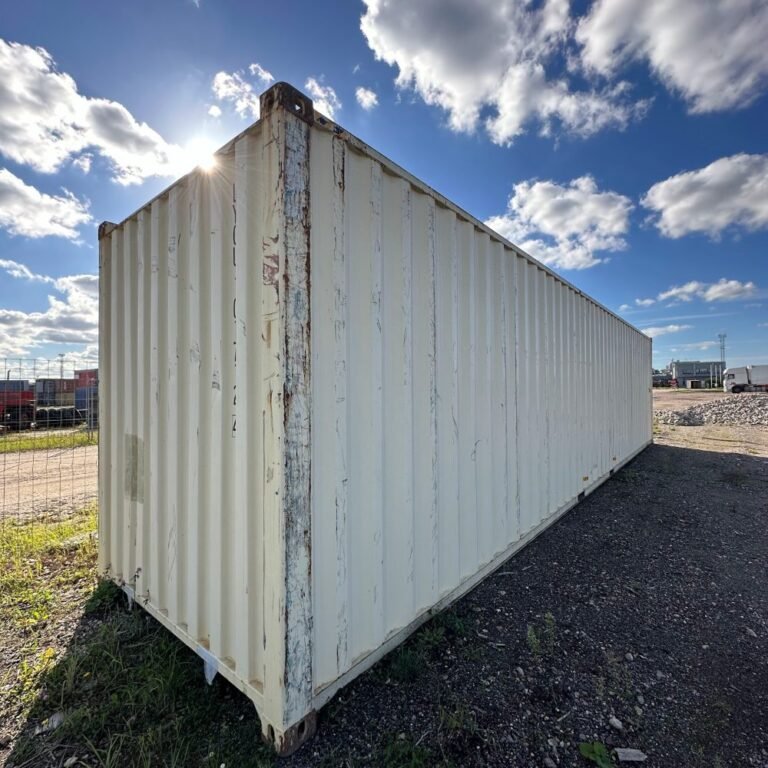
A steel roof and walls cool down quickly. At night the roof becomes colder than the air inside, and the moisture in the air settles on the ceiling as droplets — just like on a cold bottle taken out of the fridge. When enough droplets gather, they start dripping onto the floor and your belongings. This is often called “container rain”.
In Latvia it happens most in autumn and spring, when days are warm, nights are cold and the air is humid. Wet items, damp pallets and cardboard also bring moisture inside. Condensation has nothing to do with the age of the container — it can happen in a brand-new one too.
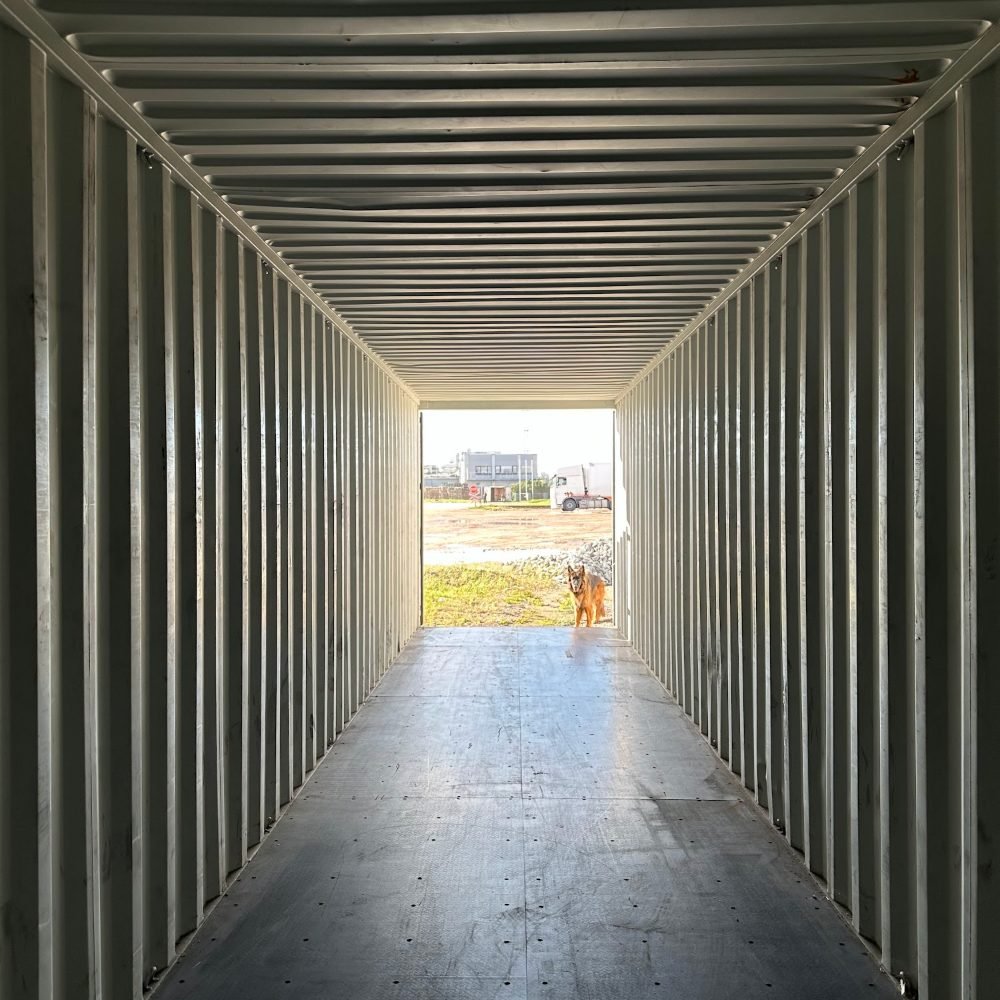
You can check for leaks with a light test: step inside, close the doors and look for any daylight. More checks are in the article how to choose a used shipping container.
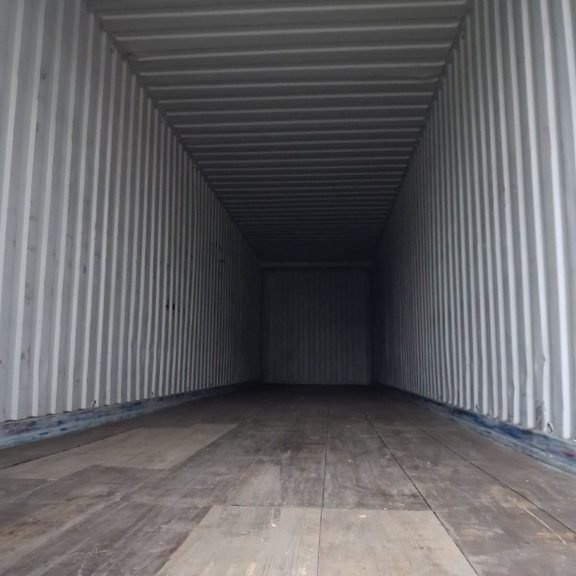
For belongings, tools and machinery, ventilation and raising the container off the ground are usually enough. If the container will be a workshop, storage for sensitive goods or a space where people spend time, it should be insulated — the ceiling first. A High Cube container is the better choice for insulating: it is 30 cm taller, so the ceiling is still at a comfortable height afterwards.
If you need a ready, insulated space straight away, see our office containers. How to do it properly is covered in the article how to insulate a shipping container.
Every container in our catalogue has its own page with real photos, including the inside. You can view the containers in Riga before buying and check that they do not leak. New one-way containers show almost no wear, used containers cost less.
Most likely it is condensation: at night the steel roof cools down and moisture from the air collects on it as droplets. If water appears in only one place after rain, check the roof and the doors for a leak.
Yes. Condensation does not depend on the age or condition of the container — it forms because of temperature differences, even in a brand-new one.
For light moisture and a short time, yes. For long-term storage, ventilation, raising the container off the ground and insulating the ceiling help much more.
Yes, if the container is dry, the furniture stands on pallets, is not tightly wrapped in plastic and air can circulate. For sensitive items, insulate the ceiling or use a dehumidifier.
Step inside, close the doors and look for any daylight. Also check the roof and the door seals.
Containers in stock in Riga
Every container has real photos, including the inside. You can view all of them before buying.
Every listing is a specific container in our yard, with its own photos and price.
Practical tips on choosing, placing and using shipping containers.
When it pays to rent a shipping container and when to buy: a simple calculation with your own numbers, what rentals often leave out and what you lose by only renting.
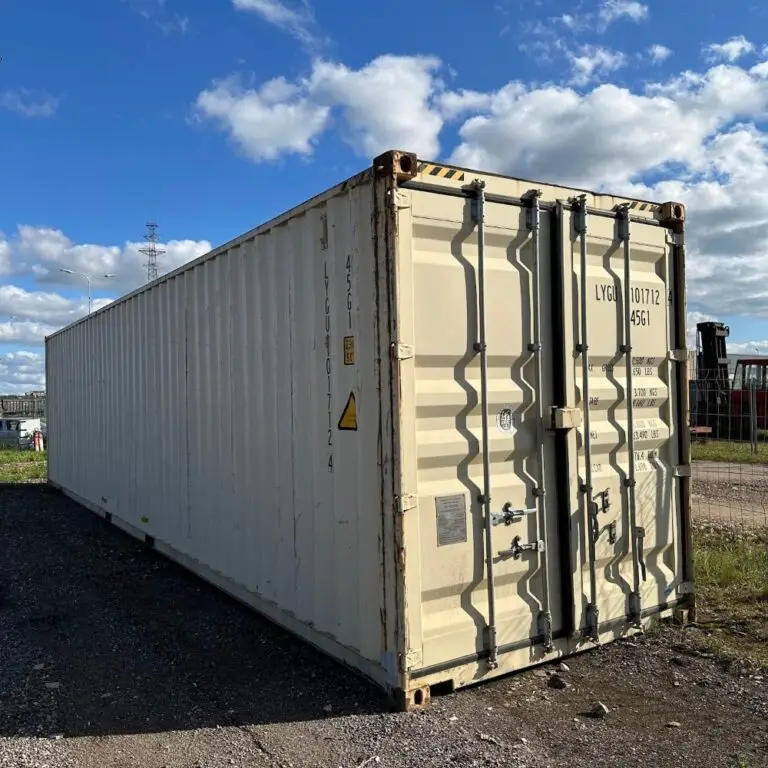
What one-way, IICL, CW, WWT and As-is mean for shipping containers: condition, what each grade is good for and what to check before you buy.
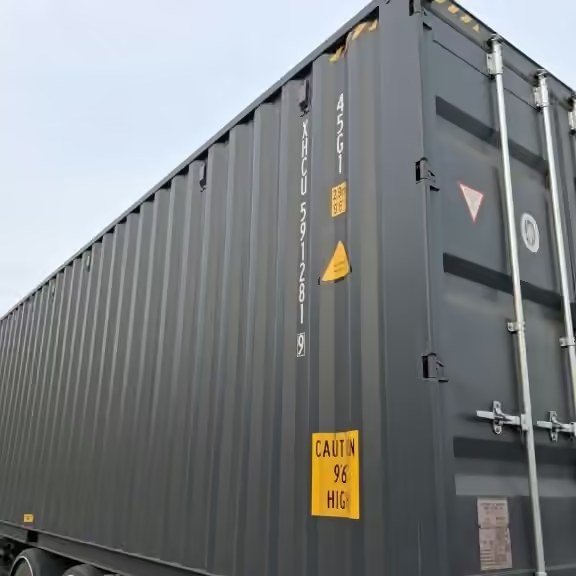
Fake container sellers online: 8 warning signs, what to check before paying and how to buy a shipping container safely in Latvia.
Fill in the form or call 26764096 — we will help you choose.
We use cookies to give you the best experience. Your consent helps the site work properly and lets us analyse how it is used.
Kontiks.lv
We usually reply within minutes
Hello, I am interested in your containers.
Message us on WhatsApp
Raksti mums WhatsApp