
Buy or rent a shipping container: which pays off
When it pays to rent a shipping container and when to buy: a simple calculation with your own numbers, what rentals often leave out and what you lose by only renting.
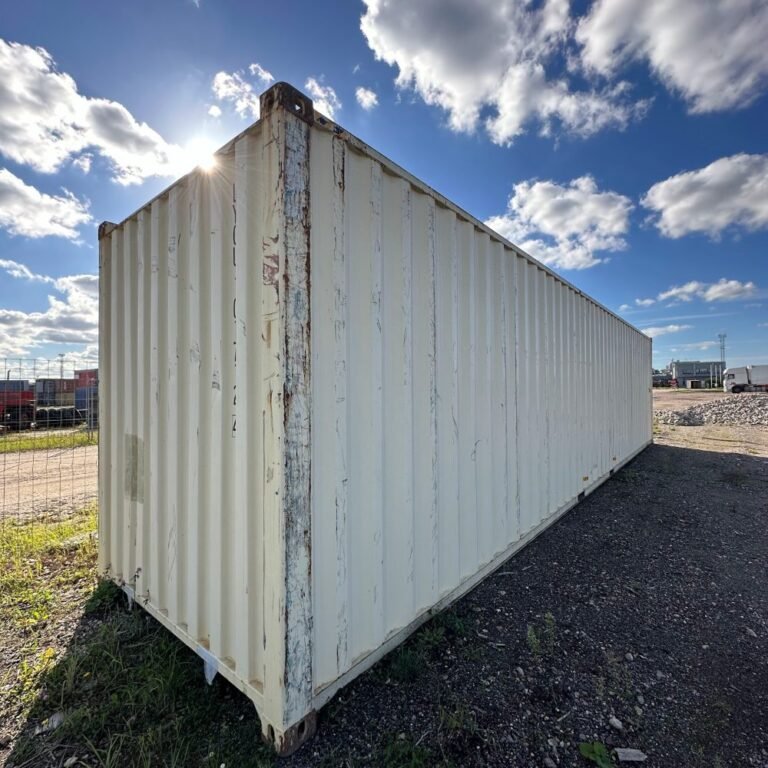
An empty 20 ft container weighs about 2.2 tonnes, a 40 ft High Cube about 3.9 tonnes. That decides the truck you need and the space you have to prepare.
In short
| Type | Tare weight | Max. gross weight | Volume |
|---|---|---|---|
| 20 ft standard (20DC) | ~2,200 kg | 30,480 kg | ~33 m³ |
| 40 ft standard (40DC) | ~3,700 kg | 30,480 kg | ~67 m³ |
| 40 ft High Cube (40HC) | ~3,900 kg | 30,480 kg | ~76 m³ |
| 45 ft High Cube Pallet Wide | ~4,800 kg | ~32,500 kg | ~89 m³ |
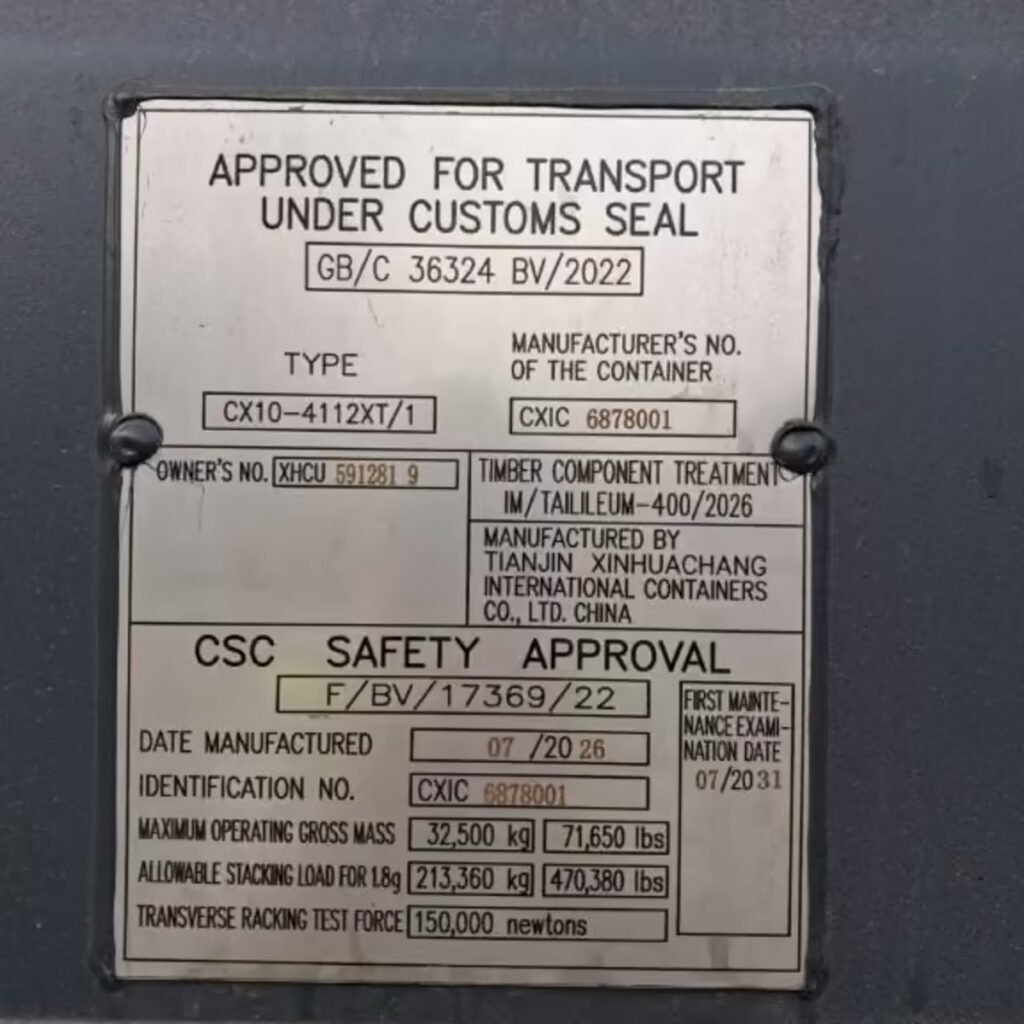
The exact tare weight is printed on the container doors and on the CSC plate. It varies by a few hundred kilograms between manufacturers, and for 45 ft containers so does the maximum gross weight. All dimensions: shipping container sizes.

We deliver containers all over Latvia. We quote the delivery price for your address: call +371 26764096 or write to us. What to know before delivery: container delivery.
No. An empty container weighs about 2.2 t. You need a truck with a crane, or a special trailer plus a crane to unload it.
Yes, with a crane truck. An empty container is easy to move; a loaded one must not be lifted.
It helps. That way you can show the exact spot and the door direction.
It depends on the distance and the container size. Call +371 26764096 or send us the address and we’ll quote it.
Sources
Containers in stock in Riga
Every container has real photos, including the inside. You can view all of them before buying.
Every listing is a specific container in our yard, with its own photos and price.
Practical tips on choosing, placing and using shipping containers.
When it pays to rent a shipping container and when to buy: a simple calculation with your own numbers, what rentals often leave out and what you lose by only renting.
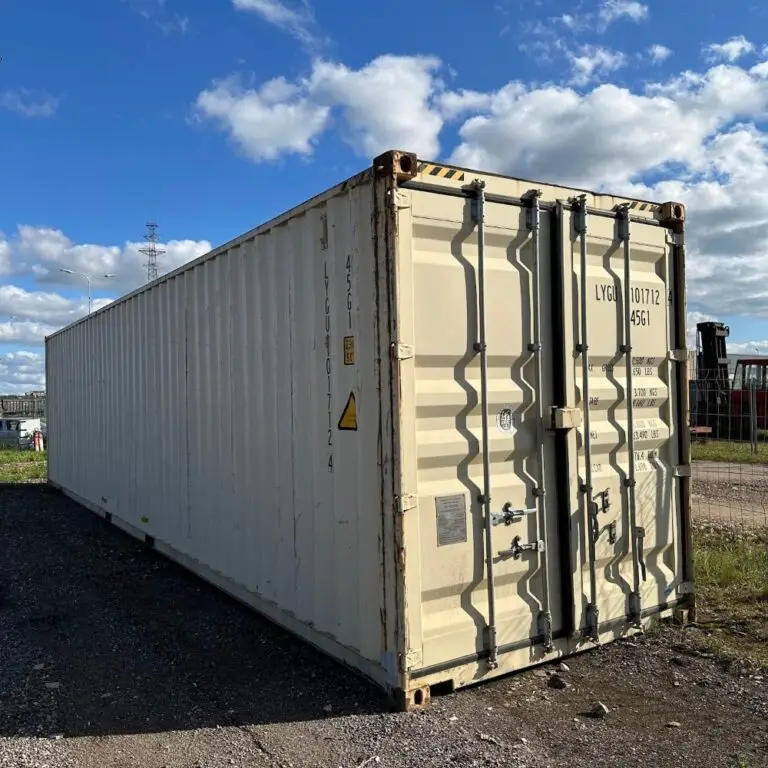
What one-way, IICL, CW, WWT and As-is mean for shipping containers: condition, what each grade is good for and what to check before you buy.
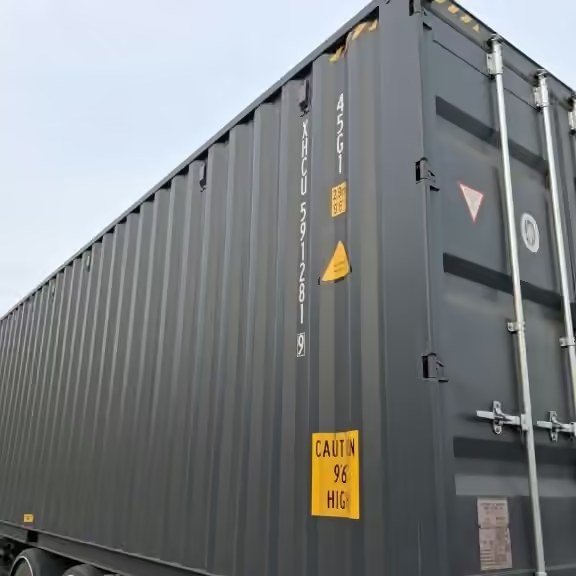
Fake container sellers online: 8 warning signs, what to check before paying and how to buy a shipping container safely in Latvia.
Fill in the form or call 26764096 — we will help you choose.
We use cookies to give you the best experience. Your consent helps the site work properly and lets us analyse how it is used.
Kontiks.lv
We usually reply within minutes
Hello, I am interested in your containers.
Message us on WhatsApp
Raksti mums WhatsApp