
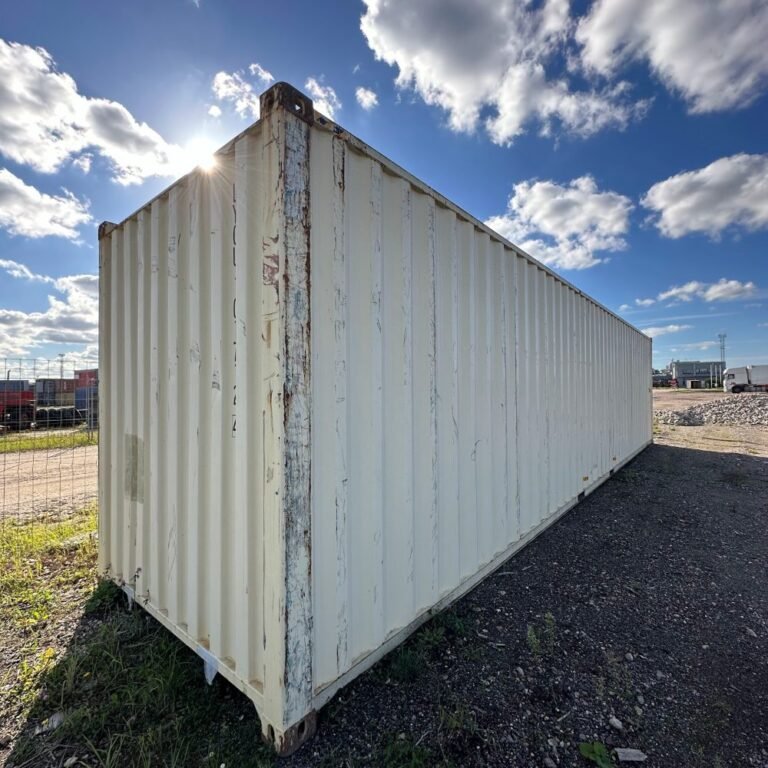
Buy or rent a shipping container: which pays off
When it pays to rent a shipping container and when to buy: a simple calculation with your own numbers, what rentals often leave out and what you lose by only renting.
What to place a container on, how high to raise it and what to prepare before delivery — so the doors open easily and the underside does not rust.
In short
The walls and frame of a shipping container are steel, but the floor is thick plywood with cross members underneath. If the container sits directly on the ground, water and snow collect under it, the underside never dries, the cross members start to rust and the floor absorbs moisture from below.
The second problem is settling. On soft ground one corner slowly sinks deeper, the container twists and the doors stop closing or need a lot of force. A simple but level and firm base is enough to avoid this.

From the simplest to a long-term solution
For storage, most customers only need concrete blocks on compacted gravel. A slab or screw piles make sense if the container will stay for a long time or be converted. Whether you need approval is explained in the article do you need a permit for a shipping container.
Exact dimensions for every container are in the shipping container size table.
We deliver with a truck-mounted crane that lifts the container and places it directly on the prepared supports. For this to work:
If you are unsure about access, call 26764096 and we will assess it together. Prices and lead times are on the container delivery page.

All our containers are in Riga, and we deliver anywhere in Latvia, usually within 1–3 days. The crane places the container exactly where you want it — including on supports you have prepared. Before delivery we confirm the address and access, and tell you the delivery price straight away.
It can, but it is not recommended: the underside does not dry, the cross members rust and on soft ground the container can twist. Raise it 5–10 cm on concrete blocks or slabs instead.
A 20ft container needs four, one under each corner. A 40ft container ideally six: four at the corners and two in the middle of the long sides.
Not for storage — concrete blocks on compacted gravel are enough. A slab or screw piles make sense if the container will stay long term or be converted into a workshop or office.
It depends on the location, duration and use. We explain it in the article do you need a permit for a shipping container.
Yes. The crane places the container exactly where you show us. We confirm access before delivery — call 26764096.
Containers in stock in Riga
We deliver by crane truck anywhere in Latvia — usually within 1–3 days.
Every listing is a specific container in our yard, with its own photos and price.
Practical tips on choosing, placing and using shipping containers.
When it pays to rent a shipping container and when to buy: a simple calculation with your own numbers, what rentals often leave out and what you lose by only renting.
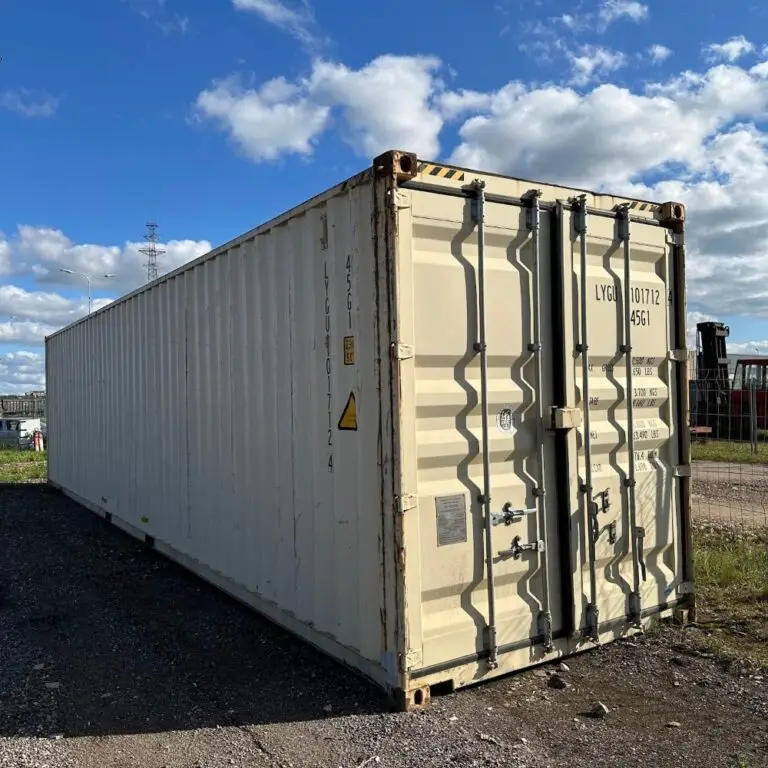
What one-way, IICL, CW, WWT and As-is mean for shipping containers: condition, what each grade is good for and what to check before you buy.
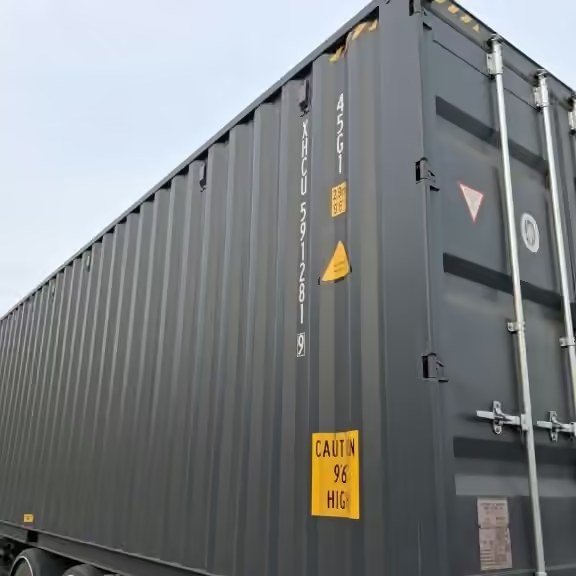
Fake container sellers online: 8 warning signs, what to check before paying and how to buy a shipping container safely in Latvia.
Fill in the form or call 26764096 — we will assess the site and access.
We use cookies to give you the best experience. Your consent helps the site work properly and lets us analyse how it is used.
Kontiks.lv
We usually reply within minutes
Hello, I am interested in your containers.
Message us on WhatsApp
Raksti mums WhatsApp